New Trade Moves and Border Tensions: How Regional Geopolitics Is Quietly Being Rewritten
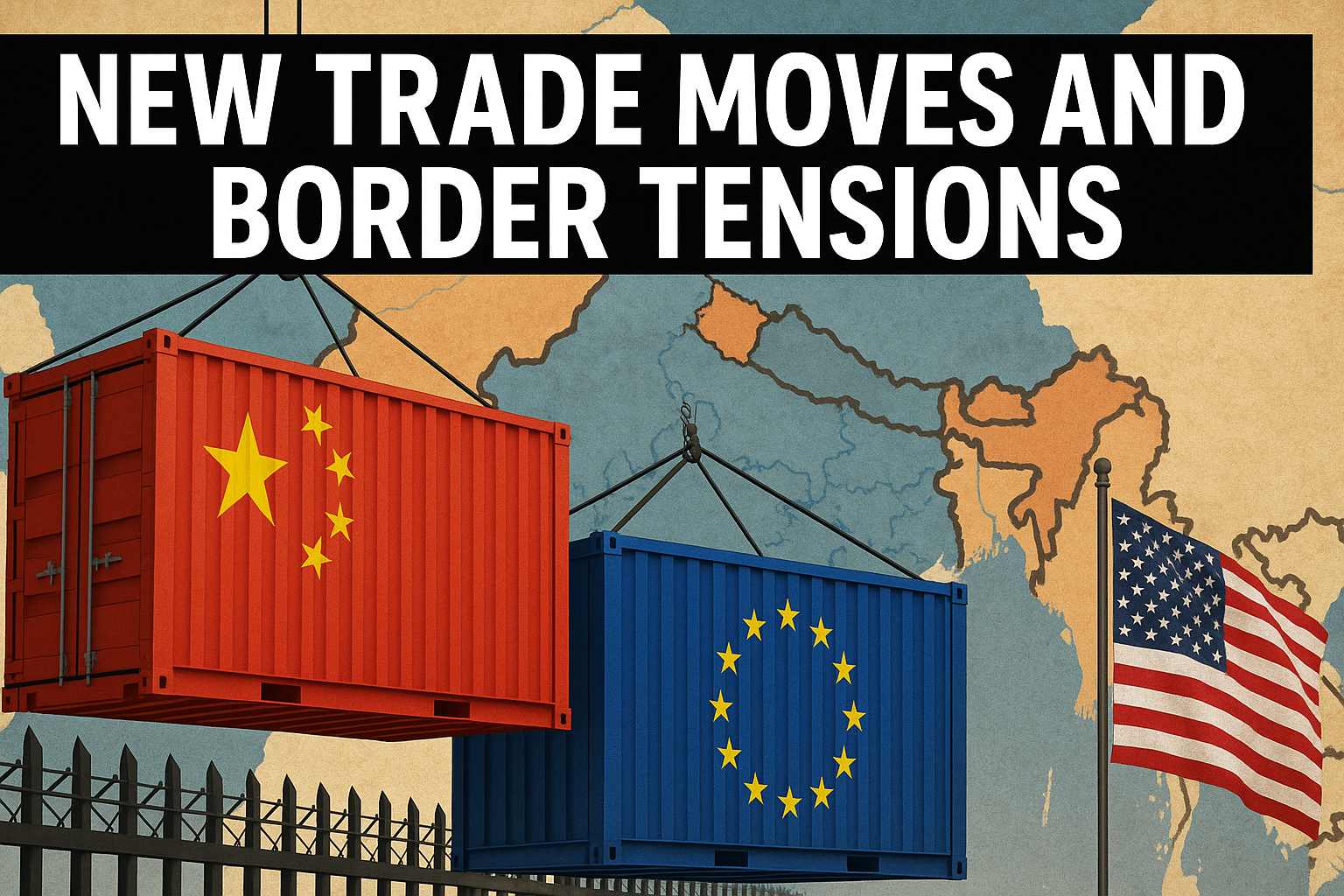
Regional geopolitics today is no longer shaped only by soldiers at borders or diplomatic statements at summits. Increasingly, it is being driven by trade agreements, supply chains, tariffs, infrastructure corridors, and economic pressure. While headlines often focus on dramatic border standoffs, the real shifts in power are happening through quieter decisions related to trade and commerce.
Across regions, new trade moves are intersecting with old and unresolved border tensions. The result is a complex geopolitical landscape where economics and security are deeply connected. Understanding this relationship is essential for policymakers, businesses, students of geopolitics, and even ordinary citizens whose lives are affected by decisions made far beyond their borders.
Trade has moved beyond economics and become a strategic instrument. Regional powers now use trade agreements, export controls, transit routes, and market access as tools to influence neighboring states. Instead of direct confrontation, pressure is applied through tariffs, sanctions, or selective cooperation.
Trade as a Tool of Power in Regional Geopolitics
In many regions, participation in trade blocs signals political alignment as much as economic interest. Countries are choosing partners not only for profit but also for security and long-term strategic positioning. This has made regional trade architecture highly political and, at times, deeply divisive.
New trade corridors, ports, rail links, and energy pipelines are being designed to bypass rivals, reduce dependence on adversaries, or secure strategic depth. These projects often pass through contested or sensitive regions, turning infrastructure into a geopolitical statement.
Border Tensions in the Age of Economic Interdependence
While globalization once promised that economic interdependence would reduce conflict, reality has proven more complicated. Border tensions have not disappeared. Instead, they have adapted to a new context.
In regions with unresolved boundary disputes, trade can act in two very different ways. In some cases, economic engagement helps cool tensions by creating shared interests. In others, trade competition intensifies mistrust and accelerates strategic rivalry.
Border regions are particularly vulnerable. Small traders, transport workers, and local economies often feel the impact of trade restrictions or sudden border closures long before national governments do. A single incident at a border post can disrupt supply chains across an entire region, affecting food prices, energy security, and industrial production.
How Trade Decisions Can Trigger Security Concerns
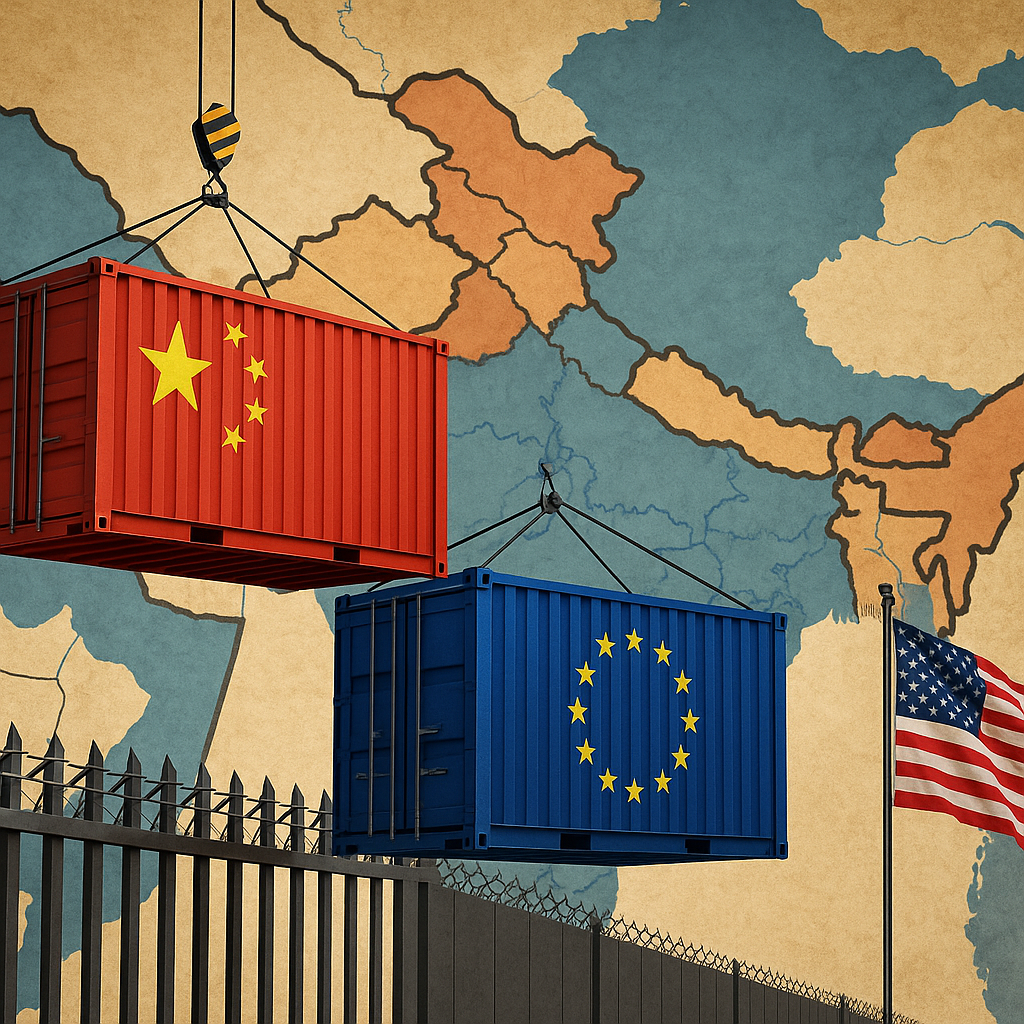
New trade policies rarely exist in isolation. When a country enters a new trade alliance or shifts its supply chains, neighbors often read strategic intent into these moves. This can heighten security concerns, especially in regions where historical mistrust already exists.
For example, preferential trade agreements with certain partners may be seen as economic exclusion by others. Control over trade routes and chokepoints can raise fears of future coercion. Even economic reforms aimed at domestic growth can be interpreted as steps toward greater regional dominance.
This is why trade negotiations are frequently accompanied by military posturing or diplomatic signaling. Economic and security policies move together, even when they appear separate on paper.
The Role of Regional Trade Blocs
Regional trade blocs play a growing role in shaping geopolitical outcomes. These groupings can promote stability by encouraging cooperation and interdependence. At the same time, they can harden divisions by creating insider and outsider dynamics.
Membership criteria, rules of origin, digital trade standards, and environmental conditions are increasingly geopolitical decisions. Smaller states often face difficult choices between competing blocs, where trade benefits must be weighed against diplomatic costs.
The expansion or consolidation of a trade bloc can unintentionally escalate border tensions, particularly when economic integration moves faster than political trust.
The Human Cost of Trade and Border Politics
Amid high-level strategies and regional rivalries, the human dimension is often overlooked. Farmers, exporters, daily-wage workers, and border communities experience the direct consequences of geopolitical shifts.
Sudden changes in trade policy can make goods unaffordable, disrupt livelihoods, or cut off traditional cross-border exchanges that existed long before modern states. In many regions, communities living near borders depend on informal trade networks that are highly sensitive to political tensions.
Recognizing this human impact is essential for designing more sustainable and responsible regional policies.
Where Regional Geopolitics Is Headed
Looking ahead, regional geopolitics will likely become even more trade-centered. Competition over critical minerals, energy routes, digital infrastructure, and climate-driven resources will intensify. Border tensions may not always erupt into open conflict, but they will continue to influence economic decisions and regional alignments.
The future lies in how effectively regions manage this intersection of trade and security. Cooperation, transparency, and inclusive economic planning can reduce tensions. Zero-sum thinking and economic weaponization, on the other hand, risk turning trade into a constant source of instability.
Final Thoughts
New trade moves and border tensions are not separate stories. They are two sides of the same geopolitical reality. Trade shapes borders, and borders shape trade. To understand modern regional geopolitics, one must look beyond maps and treaties and examine flows of goods, investments, and economic influence.
For readers interested in geopolitics, international relations, or regional development, keeping an eye on trade policy is no longer optional. It is one of the clearest windows into how power is shifting in the world today.







1 comment