Is France Right? The Social Media Ban for Kids & What It Means for Parents Everywhere
Let’s be honest: every parent with a kid and a smartphone has felt that knot of anxiety. The endless scrolling, the pressure to look perfect, the mysterious algorithm serving who-knows-what to their feed. It’s the modern parenting dilemma. Now, France is taking a dramatic step that’s making headlines and sparking global debate.
French President Emmanuel Macron is fast-tracking a law that would effectively ban children under the age of 15 from creating social media accounts. The goal? To have it in force by September, coinciding with the new school year. The rationale is clear and compelling: to shield young teens from the documented harms to mental health, cyberbullying, and online predators.
But is an outright ban the answer? And what can countries with vastly different digital landscapes, like India, learn from this move? Let’s unpack it.
The French Proposal: Protection or Overreach?
The French plan isn’t coming out of nowhere. It follows a growing body of research linking heavy social media use in early adolescence to increased risks of anxiety, depression, and poor body image. The logic is simple: if kids can’t legally sign up, platforms can’t legally addict them.
Key aspects of the law likely include:
- Age Verification: Implementing robust, possibly government-backed, age verification systems to prevent underage sign-ups.
- Platform Liability: Holding social media giants (Meta, TikTok, Snapchat) legally responsible for effectively screening out under-15 users.
- Parental Authority: Framing the ban as a state-backed tool to help parents in the digital battle, giving them a “default setting” of safety.
Advocates cheer it as a bold, necessary stand for childhood. Critics call it a simplistic solution that ignores digital literacy, infringes on rights, and is a nightmare to enforce. How would a 14-year-old be stopped from simply lying about their age, as many already do?

The Global Ripple Effect: Could This Work in India?
This is where it gets fascinating. France’s move isn’t just a French story; it’s a test case for the world. Let’s consider India, a nation with one of the largest and youngest digital populations on Earth.
How a Similar Law Could Apply in India:
- The Scale Challenge: India has over 500 million social media users, with a massive chunk under 18. Enforcing a blanket ban would be a herculean task compared to France. The infrastructure for reliable, privacy-conscious age verification for millions is still nascent.
- The Digital Divide & Literacy: In France, internet access is near-universal. In India, the digital divide is real. A ban might protect some, but could also unfairly restrict access to information and community for teens in areas where the internet is a vital window to the world. The focus, many argue, should first be on nationwide digital literacy programs—teaching kids how to navigate the online world, not just blocking them from it.
- Cultural Context: Social media in India isn’t just about social life; it’s intertwined with education (coaching tips on YouTube), family connection (WhatsApp groups), and even entrepreneurship. A blunt ban could disrupt these nuanced uses.
- Legal Precedent: India already has the IT Act 2021 (Intermediary Guidelines) which mandates platforms to enable “age-gating” and protect children. The proposed Digital India Act is also set to focus on online safety. France’s experiment could provide valuable lessons on what enforcement mechanisms work or fail.
The Potential Impacts: Beyond the Ban
Whether in France, India, or elsewhere, such a law triggers a cascade of potential outcomes:
Positive Impacts:
- Mental Health Buffer: Could provide crucial developmental years free from social comparison and dopamine-driven feedback loops.
- Safety First: Would reduce the surface area for cyberbullying and grooming.
- Reclaiming Childhood: Might encourage more real-world play, interaction, and focus.
Complex Challenges & Unintended Consequences:
- The “Forbidden Fruit” Effect: Making platforms “off-limits” could make them more desirable, driving kids to use them more secretively.
- Privacy Invasion: Widespread age verification requires sharing sensitive data, raising major data privacy concerns.
- Inequity: Tech-savvy teens with VPNs and help might bypass it, while others are locked out, creating a new digital divide.
- A Shared Responsibility? Critics argue it lets platforms and parents “off the hook.” Should the onus be on tech companies to design safer spaces, and on parents to guide usage, rather than the state to issue a blanket ban?
The Bottom Line for Parents Everywhere
France’s move forces a crucial conversation we all need to have: At what age is a child truly ready for the curated, public, and often harsh world of social media?
While a law may not be the perfect or universal solution, it underscores a non-negotiable truth: passive parenting doesn’t work in the digital age. Whether a ban exists or not, our role is active.
Start the conversation today. Talk about algorithms, about digital footprints, about the difference between a highlight reel and real life. Use parental controls not as spies, but as training wheels. Advocate for stronger safety features from platforms themselves.
France is betting that 15 is the new digital milestone. The world is watching to see if that bet pays off. But no matter where you live, the mission remains the same: to guide our kids, not just through the streets, but through the streams—the endless, powerful streams of the digital world.
France Fast-Tracks Social Media Ban for Kids Under 15: A Game-Changer for Youth Mental Health?
Hey everyone, if you’re scrolling through Instagram right now, you might want to pause—because France is about to hit the brakes on kids doing the same. French President Emmanuel Macron just announced plans to speed up a groundbreaking law banning children under 15 from social media platforms. Set to kick in by September 2026 with the new school year, this move is sparking global debates on youth mental health, online safety for kids, and whether governments should step in to protect the next generation from the digital wild west.
What’s the Deal with France’s Social Media Ban?
Macron’s push comes amid rising alarms over how platforms like TikTok, Snapchat, and Instagram are rewiring young brains. The law would require strict age verification—think facial recognition or ID checks—to block under-15s from signing up or accessing these apps. No more sneaky workarounds without parental consent for slightly older teens.
Advocates, including child psychologists and safety groups, cheer it on. They point to stats showing teen anxiety and depression spiking 60% in recent years, linked to cyberbullying, body image pressures, and endless doom-scrolling. Macron himself called it a “health shield,” emphasizing protecting children from social media addiction and predatory content. Critics, though? They worry about privacy invasions and kids just finding black-market apps anyway.
This isn’t pie-in-the-sky; France already experimented with screen-time limits, and now they’re going all-in. By fall, platforms face hefty fines if they don’t comply—up to 5% of global revenue. Bold move, right?
Why This Matters: The Real Impacts on Kids’ Lives
Let’s break down the impacts of social media on youth mental health. Studies from the WHO and Pew Research hammer it home:
- Mental Health Toll: Constant comparison fuels low self-esteem. A 2023 study found girls aged 11-15 using social media over 3 hours daily are twice as likely to report depression.
- Sleep Sabotage: Blue light and notifications wreck sleep cycles, leading to fatigue and poor focus in school.
- Cyber Risks: One in five kids faces online harassment, grooming, or exposure to harmful content like eating disorder glorification.
- Addiction Loop: Algorithms hook users young, with dopamine hits keeping them glued—France wants to break that cycle early.
On the flip side, social media builds communities and creativity. But for under-15s, whose brains are still developing impulse control, the risks outweigh the perks, say experts.

Could India Pull Off a Social Media Ban Like France?
Now, here’s where it gets personal—especially for us in India, where over 50 million kids under 15 are already on platforms (per recent IAMAI reports). India’s got 900+ million internet users, with social media addiction in Indian teens a massive issue. Think late-night Reels sessions amid board exams or cyberbullying tragedies making headlines.
How could a France-style ban apply to India?
- Age Verification Tech: Use Aadhaar-linked biometrics or AI facial scans, already piloted for porn blocks. But privacy hawks would riot—India’s data protection law (DPDP Act 2023) could make it feasible with opt-ins.
- Platform Enforcement: Fine Meta, ByteDance et al. under IT Rules 2021. We’ve banned apps before (TikTok 2020), so ramping up for kids under 15? Doable by next Diwali.
- School Tie-Ins: Sync with academic calendars, like France’s September start. In India, enforce via CBSE guidelines and parental apps.
Potential Impacts in India:
- Positive: Slash teen suicide rates linked to Instagram (up 20% post-pandemic). Boost real-world play, family time, and grades—vital in our high-pressure education system.
- Challenges: Digital divide—rural kids in Nagaland or Bihar miss educational TikToks. Enforcement? Spotty, with VPNs galore. Plus, economic hit to influencers and ads targeting youth.
- Cultural Twist: Bollywood memes and cricket fandom thrive on social media; a ban might stifle Gen Z voices but curb toxic trends like “challenges” gone wrong.
India’s already mulling tweaks to IT Rules for under-18 porn bans— a full social media ban for minors could be next, especially with rising parent petitions.
My Take: Protection Over Perfection
France is leading the charge on digital wellbeing for children, and honestly, it’s inspiring. Sure, tech giants will fight back, and enforcement won’t be perfect, but shielding kids from social media dangers feels like common sense. In India, with our youth bulge and mental health crisis, adapting this could be transformative—if done with parental education and alternatives like kid-safe apps.
What do you think? Should India fast-track its own ban? Drop your thoughts below—I’d love to hear from parents, students, and scroll addicts alike.
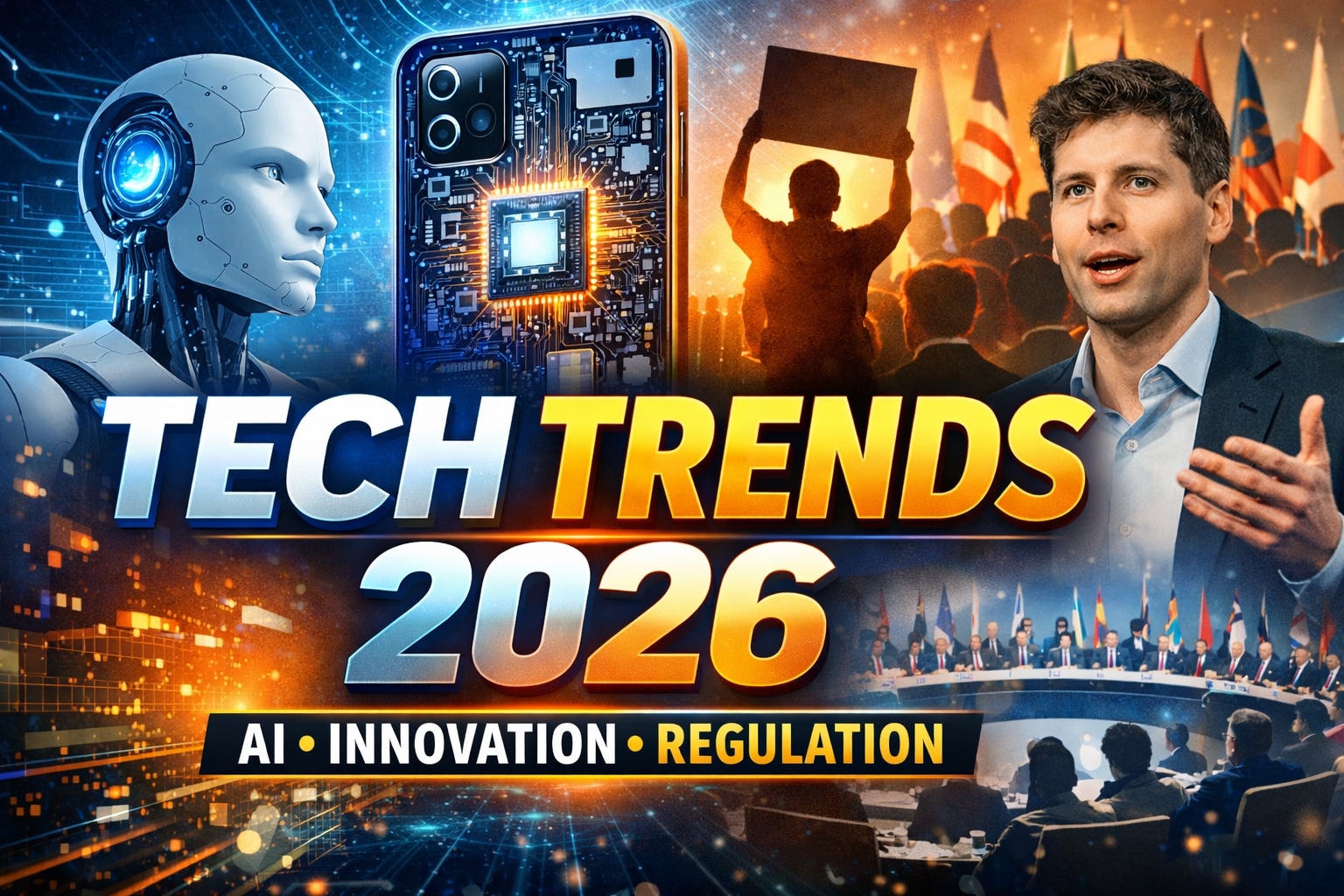
Technology in 2026 is no longer just about faster devices or smarter apps. It has become a force that shapes economies, jobs, governance, and everyday human behavior. The latest technology news shows a world moving quickly, sometimes uncomfortably, toward an AI-driven future where innovation and responsibility must evolve together.
From artificial intelligence entering mainstream workflows to governments stepping in with new regulations, today’s tech landscape reflects both excitement and unease. Here is a clear look at what is trending right now and why it matters.
Artificial Intelligence Moves From Experiment to Everyday Tool
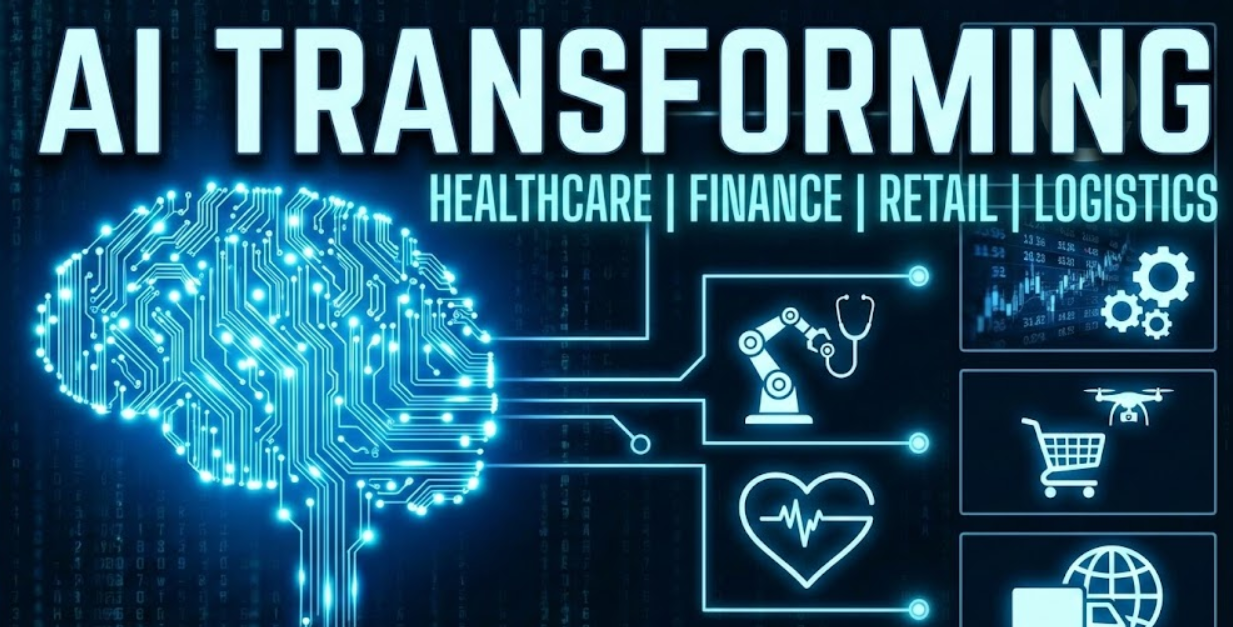
Artificial intelligence has crossed a major threshold. It is no longer limited to labs or tech experts. AI tools are now being designed for students, office workers, creators, and small businesses.
Companies like OpenAI and Anthropic are pushing AI beyond chat responses into intelligent agents that can manage documents, automate tasks, and assist users with minimal technical knowledge. This shift signals something important. AI is becoming digital infrastructure, similar to the internet or smartphones.
While this increases productivity, it also raises serious questions about dependence, accuracy, and long-term skill development.
Tech Layoffs and the Growing AI Job Debate
Alongside AI expansion, the technology sector continues to witness layoffs across major companies. Official statements often mention restructuring or cost efficiency, but the timing closely follows increased automation.
This has sparked a global debate. Is AI eliminating jobs or reshaping them? The reality sits somewhere in between. Routine tasks are being automated, while new roles demand adaptability, creativity, and digital literacy. For many professionals, the challenge is not replacement but relevance.
The conversation around AI and employment is no longer theoretical. It is affecting real lives and career paths right now.
Smartphone and Chip Technology Re-Enter the Spotlight
Hardware innovation is once again making headlines. Smartphones are evolving into AI-powered personal computers, and the chip inside them matters more than ever.
Reports suggesting that Apple may rethink its long-term chip strategy highlight how competitive and strategic semiconductor technology has become. Modern chips now decide how well AI features run, how much battery power is saved, and how secure personal data remains.
This shift marks the end of phones being judged only on camera quality or design. Intelligence and efficiency are now the real benchmarks.
Governments Step In: Regulating the Digital Space
As technology’s influence grows, governments are no longer staying on the sidelines. One of the most discussed developments comes from Europe, where Emmanuel Macron has pushed for stricter rules on children’s access to social media.
This reflects a broader global trend. Policymakers are questioning how platforms affect mental health, privacy, and social behavior. Regulations around AI ethics, data protection, and online safety are gaining momentum worldwide.
For tech companies, growth is no longer the only goal. Compliance and accountability are becoming equally important.
Global AI Summits and the Race for Leadership
International technology summits are increasingly focused on artificial intelligence governance. Countries like India, the United States, and several Middle Eastern nations are positioning themselves as key AI leaders.
These discussions are not just about innovation. They are about control, ethics, and influence. Who sets the rules for AI? Who owns the data? And who benefits most from automation? The answers will shape global power structures for decades.
Why Today’s Technology News Feels Different
What sets today’s tech trends apart is their emotional and social impact. AI inspires hope and fear at the same time. Innovation promises convenience but demands trust. Regulation protects users but may slow progress.
Technology in 2026 feels less like a distant future and more like a daily negotiation between humans and machines.
Final Thoughts: Staying Informed in a Rapidly Changing World
Technology is no longer evolving quietly in the background. It is shaping how we work, learn, communicate, and govern. Understanding current tech trends is not optional anymore. It is essential.
As AI becomes more powerful and regulation more visible, the future will depend on informed choices made by users, companies, and governments alike. The story of technology today is still being written, and everyone is part of it.




Post Comment