Flood Disaster Management: Causes, Government & Individual Roles, and Long-Term Solutions | 2025 Guide
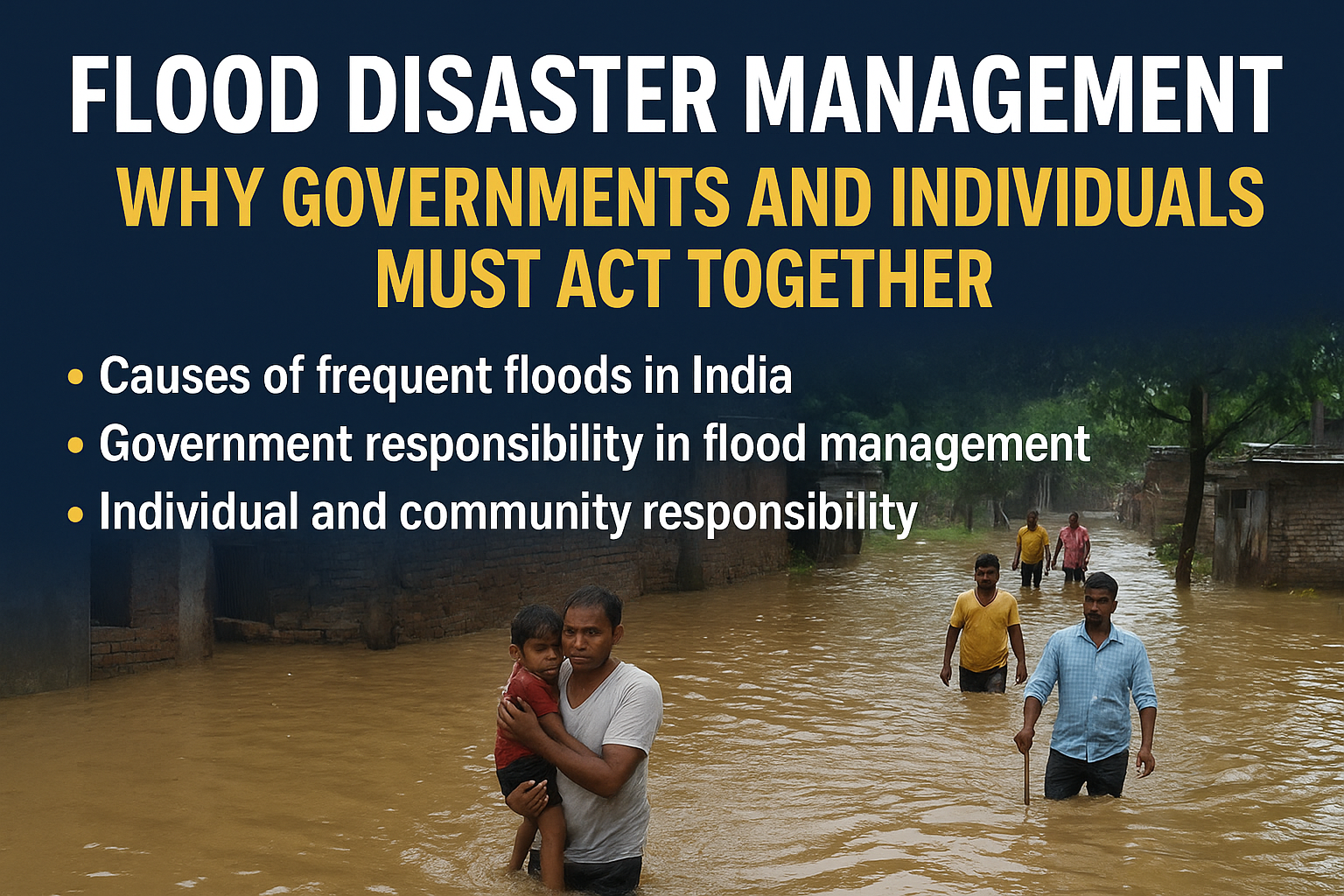
Navigating the Deluge: A Complete Guide to Flood Causes, Responsibility, and Solutions in 2025
Floods are among the most common and devastating natural disasters, affecting millions globally each year. From the catastrophic India floods 2025 to recurring events worldwide, the pattern is clear: flooding is intensifying. Understanding the causes of floods, the critical government responsibility in floods, and the essential individual role in disaster management is no longer optional—it’s a necessity for community resilience.
This comprehensive guide delves into the multifaceted world of flood disaster management, offering insights for policymakers, community leaders, and citizens alike.
The Rising Waters – Understanding the Causes of Floods
Floods are not random acts of nature; they are the result of specific, often interconnected, factors.
1. Meteorological Causes:
- Heavy Rainfall: The most direct cause. Intense, prolonged rainfall over a region can overwhelm soil absorption capacity and drainage systems, leading to surface runoff and flooding.
- Monsoon Rains: In countries like India, seasonal monsoons are a primary driver of annual flooding, which can be both beneficial and destructive.
- Tropical Storms and Cyclones: These weather systems bring torrential rains and storm surges, causing severe coastal and inland flooding.
2. Hydrological Causes:
- River Overflow (Fluvial Flooding): When a river’s capacity is exceeded due to upstream rainfall or snowmelt, it bursts its banks, inundating surrounding floodplains.
- Coastal Flooding: Caused by storm surges, high tides, or tsunamis, where sea water inundates low-lying coastal areas. This is exacerbated by sea-level rise linked to climate change floods.
3. Human-Induced & Anthropogenic Causes:
- Climate Change: A critical amplifier. Climate change floods are a reality, as a warmer atmosphere holds more moisture, leading to more frequent and intense extreme weather events. Melting glaciers also contribute to rising sea levels.
- Unplanned Urbanization (Urban Flooding): The replacement of permeable soil with concrete and asphalt (urbanization) prevents water from soaking into the ground. Inadequate and clogged drainage systems quickly get overwhelmed.
- Deforestation: Trees play a vital role in absorbing rainwater and anchoring soil. Widespread deforestation increases surface runoff and the risk of landslides, which can block rivers and cause flash floods.
- Encroachment on Floodplains: Building homes, industries, and infrastructure on natural floodplains removes crucial buffer zones for expanding rivers, putting people and assets directly in harm’s way.
The Mandate of Power – Government Responsibility in Floods
The government’s role is structural, strategic, and multi-layered, operating at national, state, and local levels.
1. Prevention and Mitigation (Pre-Disaster):
- Infrastructure Development: Building and maintaining robust flood control infrastructure like dams, levees, embankments, and reservoirs.
- Zoning Laws and Land Use Planning: Enforcing strict regulations to prevent construction on floodplains and ecologically sensitive areas. This is a cornerstone of effective flood disaster management.
- Ecosystem Restoration: Investing in natural solutions like afforestation, mangrove restoration along coasts, and rejuvenating wetlands, which act as natural sponges.
- Early Warning Systems: Deploying advanced meteorological technology (Doppler radars, automated weather stations) to predict rainfall patterns and issue timely, area-specific flood warnings.
2. Response and Relief (During the Disaster):
- Emergency Operations: Activating disaster response forces (like India’s NDRF and SDRF) for search, rescue, and evacuation operations.
- Coordination: Ensuring seamless coordination between various agencies—military, civil administration, health departments, and NGOs.
- Providing Immediate Relief: Setting up relief camps, providing food, clean water, medicine, and temporary shelter to displaced citizens.
3. Recovery and Reconstruction (Post-Disaster):
- Damage Assessment: Conducting rapid and transparent assessments of damage to property, infrastructure, and agriculture.
- Financial Aid and Rehabilitation: Distributing compensation and providing support for rebuilding homes and livelihoods in a more resilient manner.
- Learning and Adapting: Analyzing the disaster response to identify gaps and improve policies and preparedness for future events. The India floods 2025 response, for instance, must be informed by the lessons of previous years.
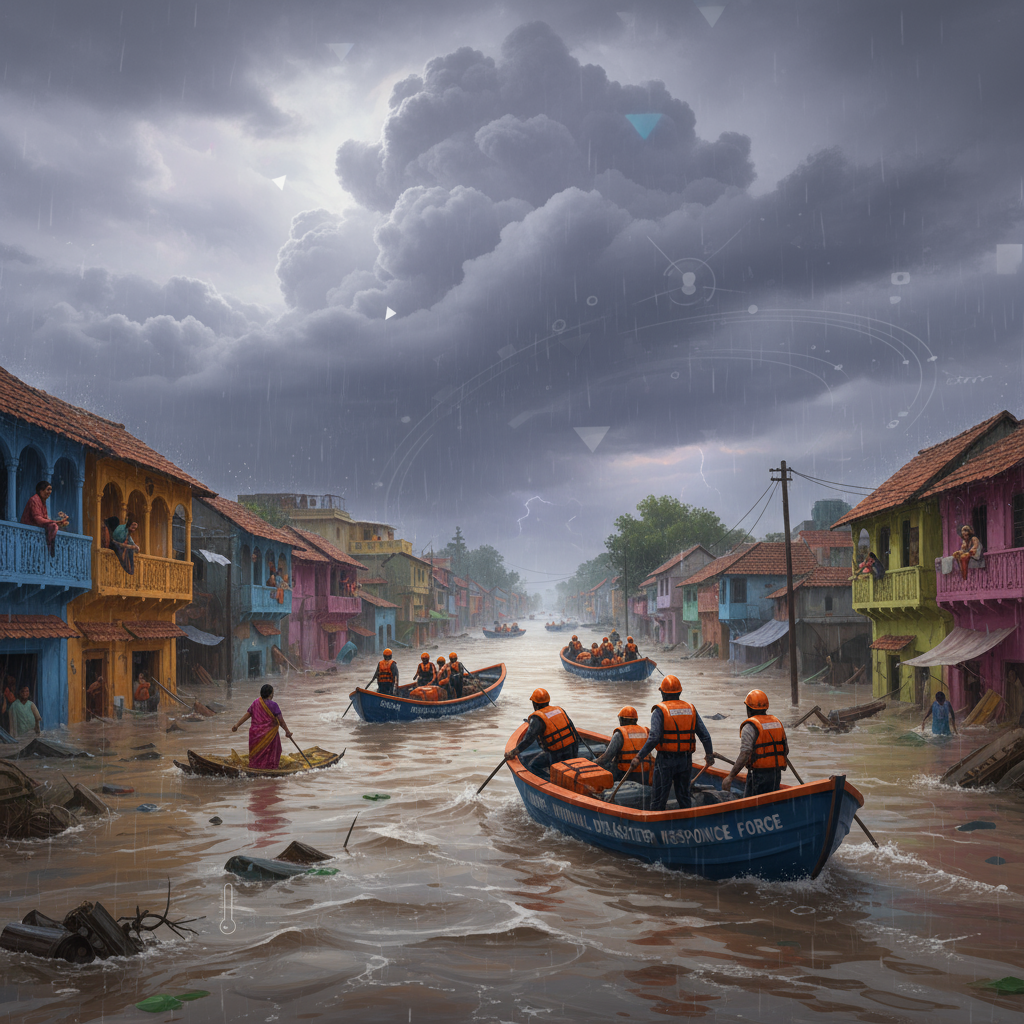
The Power of One – The Individual Role in Disaster Management
Flood preparedness is not solely the government’s job. An informed and proactive community is the first line of defense.
1. Preparedness (Staying Ready):
- Stay Informed: Know your area’s flood risk. Follow weather forecasts and heed warnings from official sources.
- Create a Family Emergency Plan: Have a communication plan and a designated meeting point if family members get separated. Practice evacuation routes.
- Prepare an Emergency Kit: Have a “go-bag” ready with essential documents, medicines, non-perishable food, water, a flashlight, a first-aid kit, and some cash.
- Protect Your Property: If time allows, use sandbags to block water, move valuables to a higher level, and turn off utilities at the main switches.
2. Response (Staying Safe):
- Evacuate Immediately if Instructed: Do not delay. Follow official evacuation orders without hesitation.
- Avoid Floodwaters: Never walk or drive through flowing water. “Turn Around, Don’t Drown.” Just six inches of moving water can knock you off your feet.
- Stay Away from Hazards: Be cautious of downed power lines and electrical wires in water.
3. Community Action:
- Check on Neighbors: Especially the elderly, disabled, and those who may need assistance.
- Share Information: Responsibly share verified warnings and information within your community networks.
- Volunteer: Support legitimate relief and recovery efforts through trusted organizations.
Building a Resilient Future – Long-Term Solutions for Flood Management
Moving from reactive relief to proactive resilience is the need of the hour.
- Integrated Water Shed Management (IWM): Treating the entire river basin as a single unit. This involves a combination of afforestation, soil conservation, and building check-dams to slow down runoff and recharge groundwater.
- Sponge City Concept: A revolutionary urban planning model where cities are designed to absorb and reuse rainwater. This includes permeable pavements, green roofs, rain gardens, and the preservation of urban water bodies.
- Nature-Based Solutions (NBS): Prioritizing green infrastructure over grey. Restoring mangroves, wetlands, and floodplains is often more sustainable and cost-effective than building concrete walls.
- Climate-Resilient Agriculture: Promoting farming practices that reduce runoff and improve soil water retention, such as contour farming and zero-tillage.
- Flood-Proofing Infrastructure: Designing new roads, bridges, and buildings to withstand flood forces and using waterproof materials for critical infrastructure.
- Comprehensive Insurance and Risk Financing: Widespread adoption of flood insurance can distribute financial risk and provide faster recovery for affected individuals and businesses.
A Shared Responsibility for a Safer Tomorrow
The challenge of flooding, supercharged by climate change, is daunting but not insurmountable. Effective flood disaster management requires a symbiotic partnership. The government must lead with visionary policy, robust infrastructure, and transparent governance. Meanwhile, the individual role in disaster management is pivotal—through preparedness, informed action, and community spirit.
By moving beyond blame and embracing our shared responsibility, we can transform our vulnerability into resilience. The lessons from past floods, including the India floods 2025, must guide our actions to build safer, more adaptable communities for the future.
Floods are a recurring natural disaster in India, impacting millions every monsoon with increasing severity due to climate change and urbanization. In 2025, regions like Punjab, Uttarakhand, and northeastern cities faced catastrophic floods, highlighting the urgent need for better flood preparedness, government accountability, and proactive public participation.
Causes of Floods in India
Flooding in India arises from a convergence of natural and human-induced factors, increasingly intensified by climate change:
- Monsoon Rains: Over 80% of India’s precipitation occurs during June–September, often overwhelming river systems and drainage infrastructure.
- Glacier Melts & Cloudbursts: Rapid melting in the Himalayas, rupture of glacial lakes, and intense cloudbursts cause severe flash floods and landslides, especially in northern and hilly states.
- River Overflow & Poor Drainage: Major rivers carrying heavy sediment overflow when their carrying capacity decreases, compounded by siltation and encroachment of natural water bodies.
- Urbanization: Encroachment on flood plains, unregulated construction, and loss of wetlands exacerbate urban flooding, as seen in cities like Mumbai, Patna, and Guwahati.
- Infrastructure Neglect: Inadequate maintenance of drainage systems and lack of desilting of canals hinder effective water flow, worsening disasters.
Government Responsibility in Flood Disaster Management
In India, the primary responsibility for flood control lies with state governments, while the central government provides technical and financial support. Key areas of government responsibility include:
- Disaster Management Planning: Developing and enforcing disaster management plans, zoning regulations, and building codes to discourage risky development.
- Infrastructure Maintenance: Ensuring regular desilting of rivers and canals, strengthening embankments, maintaining drainage networks, and preserving floodplains.
- Early Warning Systems: Deploying advanced meteorological technologies and community alert systems to provide timely flood warnings.
- Coordinated Response: Organizing swift rescue, relief, and rehabilitation through agencies like the National Disaster Response Force (NDRF) and deploying resources efficiently.
- Capacity Building: Training community volunteers through initiatives like the Aapda Mitra scheme, and conducting mock drills for better preparedness.
- Long-Term Policy & Financial Support: Supporting flood-prone states in infrastructure planning, crisis management funds, and climate resilience projects.
Individual Role in Flood Preparedness and Disaster Management
Flood risk reduction is not the sole responsibility of the government; individuals and communities play a critical role:
- Personal Preparedness: Assembling emergency kits with food, water, medical supplies, essential documents, and communication tools as recommended by the NDMA.
- Community Volunteering: Participating in local disaster preparedness programs and spreading awareness about flood safety measures.
- Property & Environmental Stewardship: Avoiding disposal of waste in rivers/drains, maintaining local water bodies, and planting trees to reduce runoff and erosion.
- Monitoring & Reporting: Staying informed via official channels and immediately reporting signs of flooding or infrastructure damage.
Long-Term Solutions for Flood Disaster Management
Effective flood disaster management in the climate change era requires sustained, multi-pronged solutions:
- Integrated River Basin Management: Adopting a holistic approach to manage river systems and their floodplains, prioritizing ecological sustainability.
- Climate Resilience Infrastructure: Investing in resilient infrastructure—such as elevated roads, stormwater drains, and green spaces—to cope with extreme rainfall.
- Urban Planning Reforms: Enforcing stringent building codes, restricting construction in high-risk zones, and restoring wetlands.
- Technology Utilization: Leveraging real-time satellite data, big data analytics, and AI for predictive flood modeling and rapid decision-making.
- Public Awareness & Education: Continuous education through schools, community programs, and digital campaigns to foster a culture of preparedness.
- International and Interstate Collaboration: Managing transboundary river systems with neighboring countries and promoting coordination for shared flood risks.
Flood Disaster Management: Why Governments and Individuals Must Act Together
Floods have become one of the most destructive natural disasters in recent years. From Punjab floods to the recent Manipur flooding, heavy rainfall and overflowing rivers have displaced thousands of people, destroyed farmland, and caused huge economic losses. What was once seen as a seasonal problem has now turned into a climate change disaster, affecting different regions of India and the world.
This article explains why floods are increasing, what role the government must play, and how individuals and communities can contribute at the ground level to reduce the impact.
Causes of Frequent Floods in India
Flooding is not caused by one single factor. It is a mix of natural processes and human actions:
- Climate Change and Extreme Rainfall: Rising global temperatures have changed rainfall patterns. Sudden cloudbursts and long spells of heavy rain are becoming more common.
- Poor Urban Planning: Construction on wetlands, riverbanks, and natural drainage channels blocks the natural flow of water. When rains arrive, water collects on roads and homes instead of draining away.
- Deforestation and Soil Erosion: Cutting down trees in hilly areas weakens the soil. During heavy rains, the loose soil leads to landslides and increases runoff into rivers.
- Weak Infrastructure: Old embankments, clogged drainage systems, and unmaintained dams cannot handle today’s level of rainfall.
- Unregulated Development: Illegal construction in floodplains narrows rivers and reduces their capacity to hold excess water.
Government Responsibility in Flood Management
The government has the largest role to play in disaster management because individuals cannot stop a river from overflowing on their own. The responsibilities of the state and central governments include:
- Infrastructure Development
Building strong embankments, floodwalls, and stormwater drains in urban areas to channel excess rainwater. - Scientific Planning
Using AI-based flood forecasting systems and satellite data to predict rainfall, river levels, and risk zones. - Urban Regulation
Enforcing strict laws against construction on wetlands and floodplains. Local authorities must stop illegal encroachments. - Disaster Preparedness
Setting up early warning systems, community shelters, and emergency evacuation plans before monsoon season. - Climate Resilience Policies
Implementing long-term strategies like rainwater harvesting, reforestation, and river rejuvenation projects to tackle the root causes of flooding. - Relief and Rehabilitation
Providing immediate rescue, medical care, and financial aid to affected families, followed by long-term rehabilitation of displaced communities.
Individual and Community Responsibility
While large-scale flood control is the duty of the government, individuals and communities also have a critical role. Personal and collective actions can reduce damage and build resilience.
- Protecting Local Ecosystems: Avoid throwing garbage into rivers and drains. Support tree plantation drives and protection of wetlands.
- Preparedness at Household Level: Keep essential documents in waterproof bags, store dry food, medicines, and create a family emergency plan.
- Community Participation: Villages and neighborhood groups can organize flood awareness campaigns, identify safe shelters, and train volunteers for rescue work.
- Raising Accountability: Citizens must pressure local authorities to clean drains before the rainy season and strengthen embankments.
- Sustainable Living: Using rainwater harvesting, reducing plastic waste, and supporting eco-friendly development can reduce local flooding risks.
Long-Term Solutions to Flooding
Floods will continue to rise with climate change unless both governments and citizens act together. Some effective solutions include:
- Restoring rivers and wetlands instead of filling them for construction.
- Expanding green belts and forests to absorb rainwater.
- Investing in smart urban planning with sponge cities that soak up excess water.
- Encouraging public-private partnerships for building resilient infrastructure.
- Promoting climate education so that citizens understand the seriousness of the problem.
Conclusion
Floods in Punjab, Manipur, and across India are not just natural disasters—they are also the result of poor planning and lack of preparedness. The government must take responsibility for building strong infrastructure, enforcing environmental laws, and providing relief. At the same time, individuals and communities must adopt sustainable practices, stay prepared, and hold authorities accountable.
Only when both sides work together can we reduce the devastation of floods and build a safer, more climate-resilient future.








2 comments