Nepal Crisis 2025: Gen Z Protests, Social Media Ban & Political Upheaval
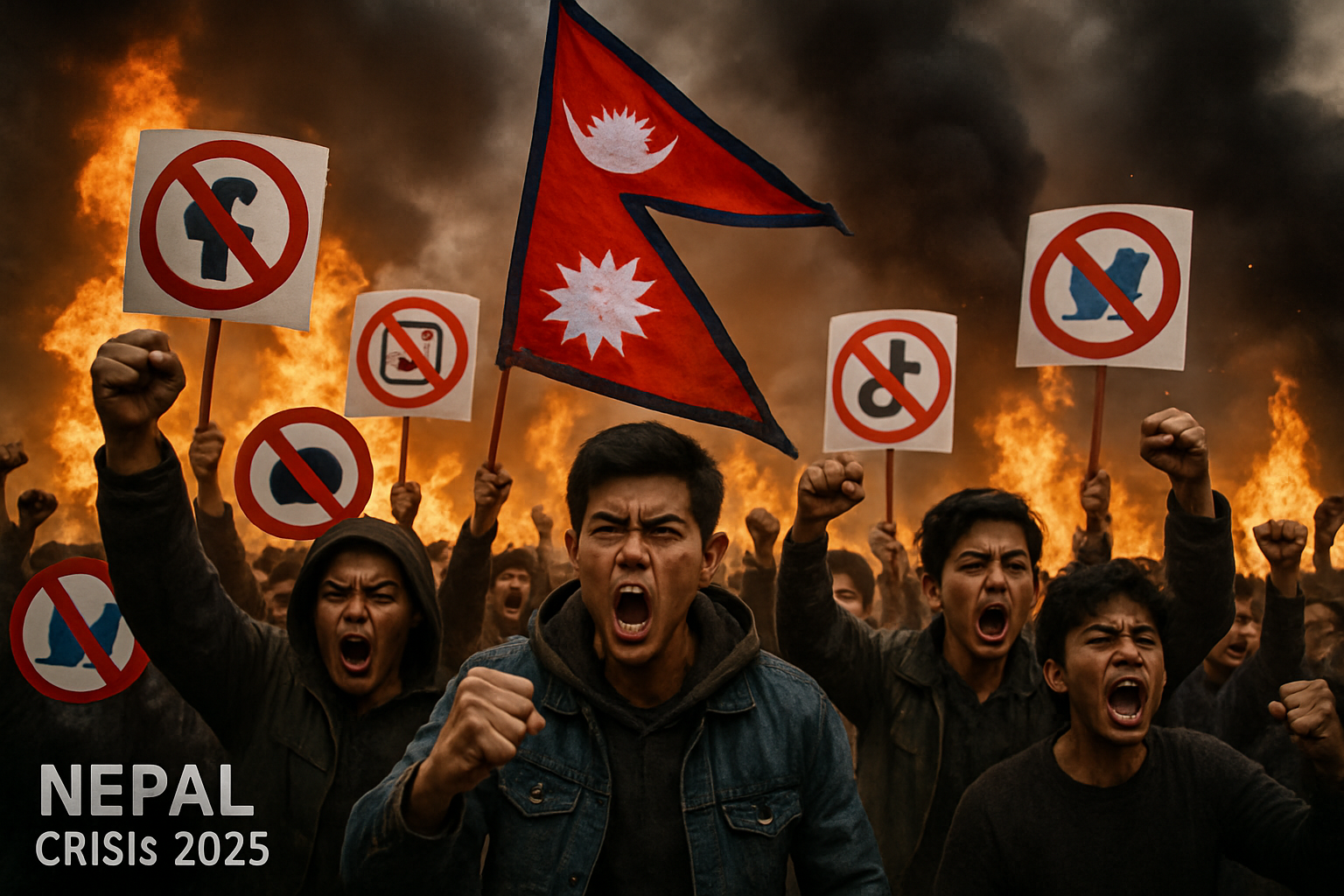
Nepal is experiencing a severe political crisis driven by youth-led protests, violence, and a sudden collapse of government leadership in September 2025. This report provides a detailed, verified overview for technology-focused audiences and SEO optimization.
Background
Nepal has long struggled with political instability, frequent changes in government, and public frustration over corruption and mismanagement. On September 4, 2025, the Nepalese government abruptly banned 26 major social media platforms, including Facebook, Instagram, WhatsApp, X, and YouTube, claiming these failed to register under new regulations set by the Ministry of Communication and Information Technology. The move, widely perceived as censorship, sparked outrage, especially among Gen Z—the country’s young, tech-savvy population.
Timeline of Events
Causes
The immediate trigger was the social media ban, which the government justified as a regulatory necessity but many saw as an attempt to silence activists and anti-corruption voices. Underlying grievances included:
- Widespread political corruption and nepotism, especially benefiting politicians’ families.
- Poor economic prospects, stagnation, and high youth unemployment.
- Long-standing dissatisfaction with frequent government changes and a lack of reforms.
Effects
The fallout from the crisis has been severe:
- At least 19 people killed and over 300 injured, many of them youths.
- Violent attacks on government property, including the Prime Minister’s and President’s residences, and offices of major political parties.
- The resignation of PM KP Sharma Oli and several cabinet ministers as political coalitions fractured.
- Nationwide curfews and deployment of army units for crowd control.
- Disruption of daily life, travel advisories, and mass mobilizations on social media platforms even after the ban was lifted.
Responses
- The Nepali government quickly revoked the social media ban—but only after deadly protests erupted.
- PM KP Sharma Oli and key ministers resigned under immense public pressure.
- Political parties and the president called for national dialogue and formation of an interim government.
- Protest leaders demanded Parliament’s dissolution, suspension of officials linked to the crackdown, and early elections.
- International bodies and neighboring India issued travel and political advisories, highlighting safety concerns.
Future Outlook
Nepal’s current crisis reflects deeper systemic issues: persistent instability, corruption, and youth disenfranchisement. Calls for reform are at a peak, but no clear roadmap for new governance exists. Key challenges ahead include:
- Restoring order while respecting calls for accountability and transparency.
- Addressing economic challenges such as unemployment and brain drain among young professionals.
- Forming a legitimate, reform-oriented interim government may take time given fractured coalitions and party infi
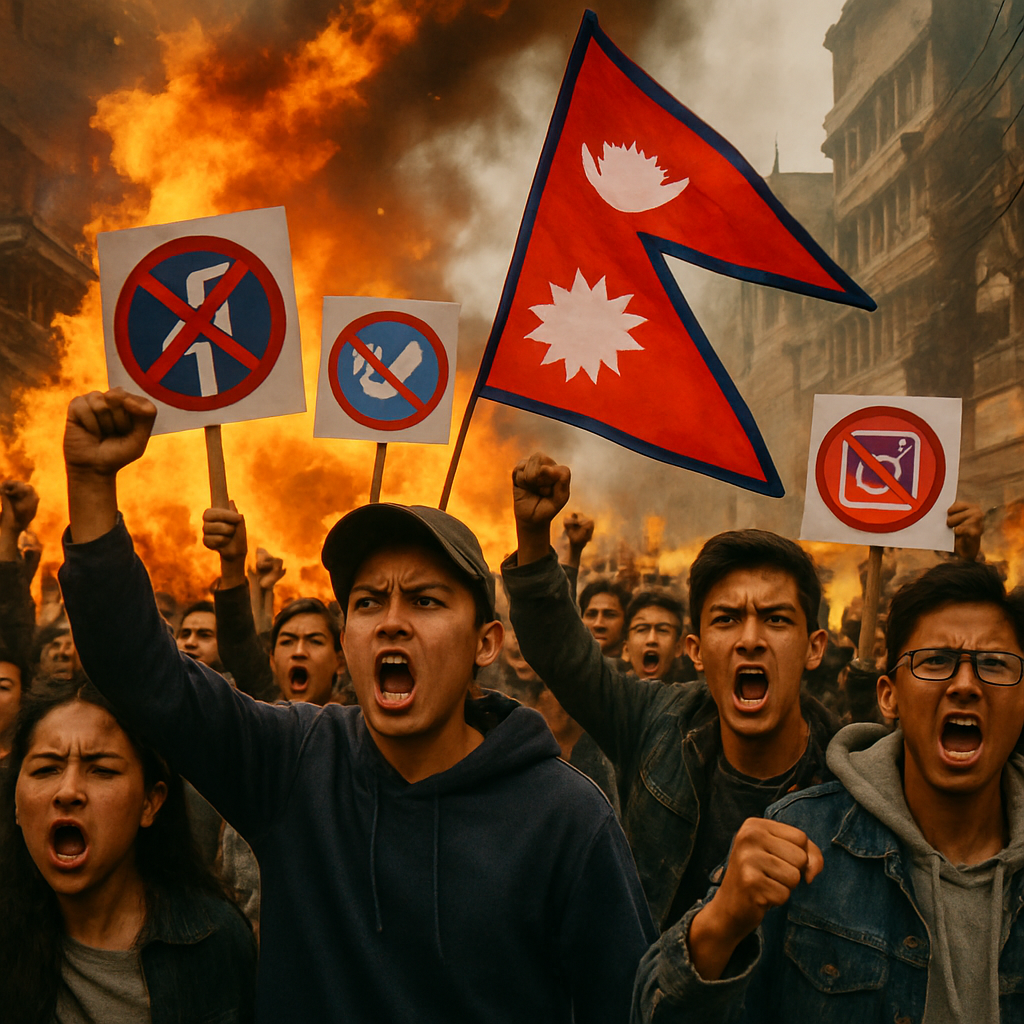
In 2025 Nepal experienced multiple, overlapping crises. Large youth-led political protests — triggered by a government social-media ban and broader grievances — turned deadly, prompting the resignation of Prime Minister K.P. Sharma Oli and widespread damage in Kathmandu. At the same time, unusually intense monsoon and glacial-linked floods and landslides during June–July 2025 caused loss of life, major infrastructure damage (including the Rasuwagadhi border bridge), and disrupted trade with China. These shocks arrived amid ongoing economic pressures that complicate recovery. ReutersAl JazeeraEOS
Background
- Political context: Nepal’s politics have been volatile for years, shaped by factional party battles, corruption complaints, and youth frustration over jobs and services. In early September 2025, the government moved to block scores of social-media platforms citing concerns about disinformation and unrest — a decision that ignited mass protests. Al JazeeraReuters
- Climate and disaster context: Nepal sits in a Himalayan corridor especially vulnerable to stronger monsoon rains, glacial lake outburst and landslides. In 2024–2025 several extreme events — earlier intense monsoon flooding and multiple glacial-origin floods in mid-2025 — increased vulnerability and damaged critical infrastructure. Global Climate RisksWorld Meteorological Organization
- Economic context: Growth projections for FY2025 were modestly positive, but structural issues (reliance on remittances, fiscal constraints, inflationary pressures at times) leave limited fiscal space to respond to simultaneous political and climate shocks. World Bank and ADB reports from 2025 outline this mixed picture. World BankAsian Development Bank
Timeline of major events (concise)
- July 8, 2025 — A sudden glacial/transboundary flood near Rasuwagadhi (Nepal-China border) struck, destroying the Friendship Bridge and washing away trucks and structures; multiple people were reported missing and dozens rescued. This disrupted the Nepal–China trade corridor. EOSStimson Center
- Early July–August 2025 — Multiple flash floods and landslides affected different Himalayan districts; humanitarian agencies and meteorological bodies warned of rising glacial-origin flood risks. World Meteorological OrganizationReliefWeb
- Early September 2025 — Government announced a broad block of social-media platforms (the government framed it as curbing disinformation). Youth-led protests (often labelled “Gen Z” protests in media) erupted nationwide. Al Jazeera
- 9 September 2025 — Protests escalated into violent clashes; police used lethal force in some places, scores were injured and at least 19 people were reported killed in clashes; protesters set fire to government buildings, and Kathmandu’s airport experienced temporary shutdowns. Prime Minister K.P. Sharma Oli resigned amid the unrest. Human rights groups called for independent probes. ReutersHuman Rights WatchAl Jazeera
Causes — immediate triggers and deeper drivers
Immediate triggers
- The government’s social-media ban was the proximate spark: it mobilized students and young people who rely on digital networks for communication and political organizing. Al Jazeera
Deeper structural drivers
- Youth frustration: High youth unemployment and limited economic opportunity have left many young people disillusioned and more likely to mobilize. Al Jazeera
- Perceived corruption and governance failures: Longstanding complaints about corruption and weak accountability fueled demands for resignations and systemic change. Reuters
- Climate-exacerbated disasters: Increasing frequency of glacial-origin floods, intense monsoon rainfall and landslides have repeatedly damaged homes, roads and hydropower, raising livelihood insecurity and creating pressure on government services. World Meteorological OrganizationEOS
- Economic constraints: Dependence on remittances, narrow fiscal space, and trade bottlenecks (exacerbated by damaged cross-border infrastructure) limit rapid policy responses. World BankStimson Center
Effects — human, economic and institutional
Human toll
- Dead and injured: Reports from international media and rights groups documented dozens killed and many hundreds injured in clashes; flood events in July also caused deaths and missing people. Human Rights Watch and media outlets reported lethal policing and civilian casualties. Human Rights WatchReuters
Economic and infrastructure impact
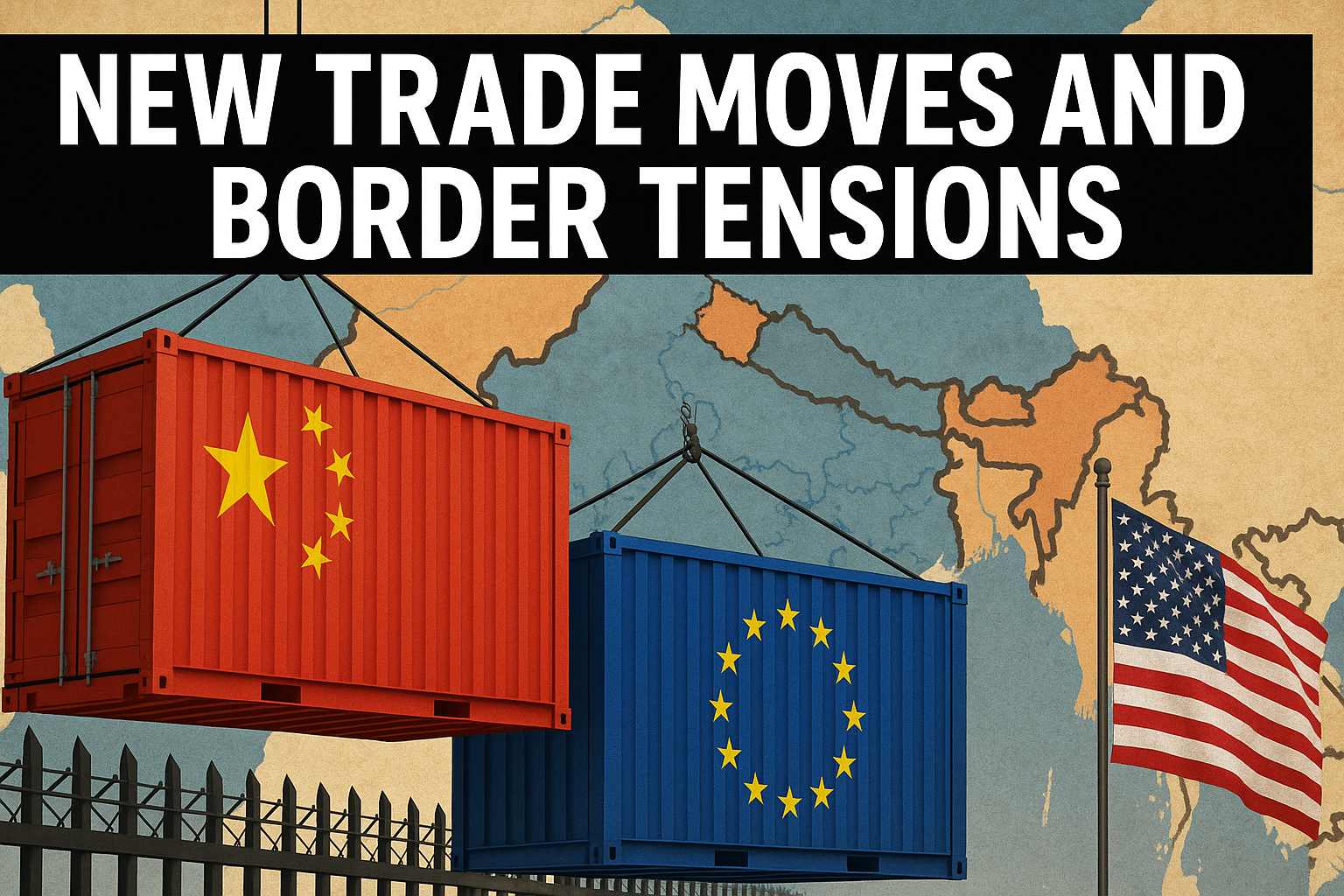
- Disrupted trade and transport: The Rasuwagadhi bridge and border route damage halted or reduced cross-border trade with China, affecting supply chains. Kathmandu airport closures and road damage in flood areas further impeded movement. EOSReuters
- Damage to hydropower and agriculture: Flash floods have damaged hydropower facilities and eroded agricultural land downstream, with potential medium-term effects on electricity supply and rural incomes. Stimson CenterAP News
Institutional strain
- Political instability: A change in leadership and the risk of further unrest complicate policy continuity and disaster recovery planning. Calls for independent human-rights investigations add pressure for accountability and reform. ReutersHuman Rights Watch
Responses — government, civil society, and international
Government
- The government initially defended restrictions as measures to curb disinformation, then lifted or paused some restrictions amid the unrest; the PM resigned as protests escalated. Security forces used force to disperse demonstrations in many places. ReutersAl Jazeera
Civil society and rights groups
- Human Rights Watch and other organizations urged independent investigations into the killings and documented alleged excessive force by police. Local NGOs and youth groups organized relief and outreach in flood-hit areas. Human Rights WatchReliefWeb
International and multilateral actors
- Humanitarian and technical actors (UN agencies, WMO, regional bodies) highlighted the climate and disaster risk dimension and offered support; development banks (World Bank, ADB) have published analyses of Nepal’s economic outlook and may be focal points for reconstruction financing. World Meteorological OrganizationWorld BankAsian Development Bank
Future outlook and key questions
- Short term (weeks–months): Political uncertainty will likely continue as parties negotiate leadership and as protests press for deeper change. Emergency humanitarian needs in flood-affected districts and repair of border and transport infrastructure will be immediate priorities. ReutersEOS
- Medium term (6–24 months): Recovery depends on political stability and external financing. Damage to trade corridors and hydropower may slow growth unless rapid repairs are funded. The government and partners will need to prioritize climate-resilient infrastructure to reduce future disaster damage. Stimson CenterWorld Bank
- Long term: Structural reforms that expand jobs, boost governance and invest in climate adaptation are the core pathway to reduce the likelihood that future shocks produce comparable social unrest. Independent accountability for any human-rights violations during the protests will be politically important for domestic legitimacy and donor relations. Human Rights WatchAsian Development Bank
What to watch next (signals)
- Official government statements and any transitional arrangements after the PM’s resignation. Reuters
- Human rights investigations and findings into police use of force. Human Rights Watch
- Progress on repairing the Rasuwagadhi bridge and reopening the Nepal–China trade route. EOSStimson Center
- Weather forecasts and early-warning upgrades ahead of the next monsoon season. World Meteorological Organization
Sources (direct links)
I used multiple reliable sources; read them for full primary details.
ReliefWeb / ECHO and WMO — disaster situation and warnings.
https://reliefweb.int/report/nepal/nepal-severe-weather-floods-and-landslides-drr-portal-dhm-nepal-noaa-cpc-echo-daily-flash-15-july-2025
https://wmo.int/media/news/devastating-floods-highlight-need-and-challenges-warnings ReliefWebWorld Meteorological Organization
Reuters — “Nepal PM Oli quits as anti-corruption protests spiral” (reporting on PM resignation, deaths, airport shutdown).
https://www.reuters.com/world/asia-pacific/nepal-pm-oli-quits-anti-corruption-protests-spiral-2025-09-09/ Reuters
Al Jazeera — live coverage and features on the Gen-Z protests and demands.
https://www.aljazeera.com/news/liveblog/2025/9/9/nepal-protests-live-nepali-congress-office-top-leaders-homes-set-on-fire Al Jazeera+1
Human Rights Watch — statement on police firing on protesters (calls for investigation).
https://www.hrw.org/news/2025/09/09/nepal-police-fire-gen-z-protest Human Rights Watch
Associated Press / AP coverage on floods and climate impacts.
https://apnews.com/article/nepal-floods-glaciers-climate-2025-08-05 AP News
Investigations / analyses of the July transboundary flood and trade impacts (Stimson Center & EOS/Landslide blog).
https://www.stimson.org/2025/investigating-an-emerging-climate-hazard-transboundary-glacial-floods-on-the-china-nepal-border/
https://eos.org/thelandslideblog/rasuwagadhi-1 Stimson CenterEOS
World Bank — Nepal Development Update (April 2025) on macro outlook.
https://www.worldbank.org/en/country/nepal/publication/nepaldevelopmentupdate World Bank




Post Comment