The Rise of AI Agents: How Agentic AI Is Shaping the Future of Technology
The Rise of AI Agents: Understanding Agentic AI
Artificial intelligence is no longer just about chatbots answering questions or algorithms suggesting what video to watch next. The new wave of progress is happening in AI agents, often called Agentic AI. These systems don’t just wait for instructions—they can think ahead, make decisions, and act on goals with very little human input.
What makes AI agents different?
Traditional AI has always been reactive. You ask a question, it gives an answer. You type a command, it follows. AI agents, on the other hand, are proactive and adaptive. They can plan, analyze multiple outcomes, learn from past interactions, and execute tasks almost like a digital coworker. Instead of simply answering queries, they figure out what needs to be done and then do it.
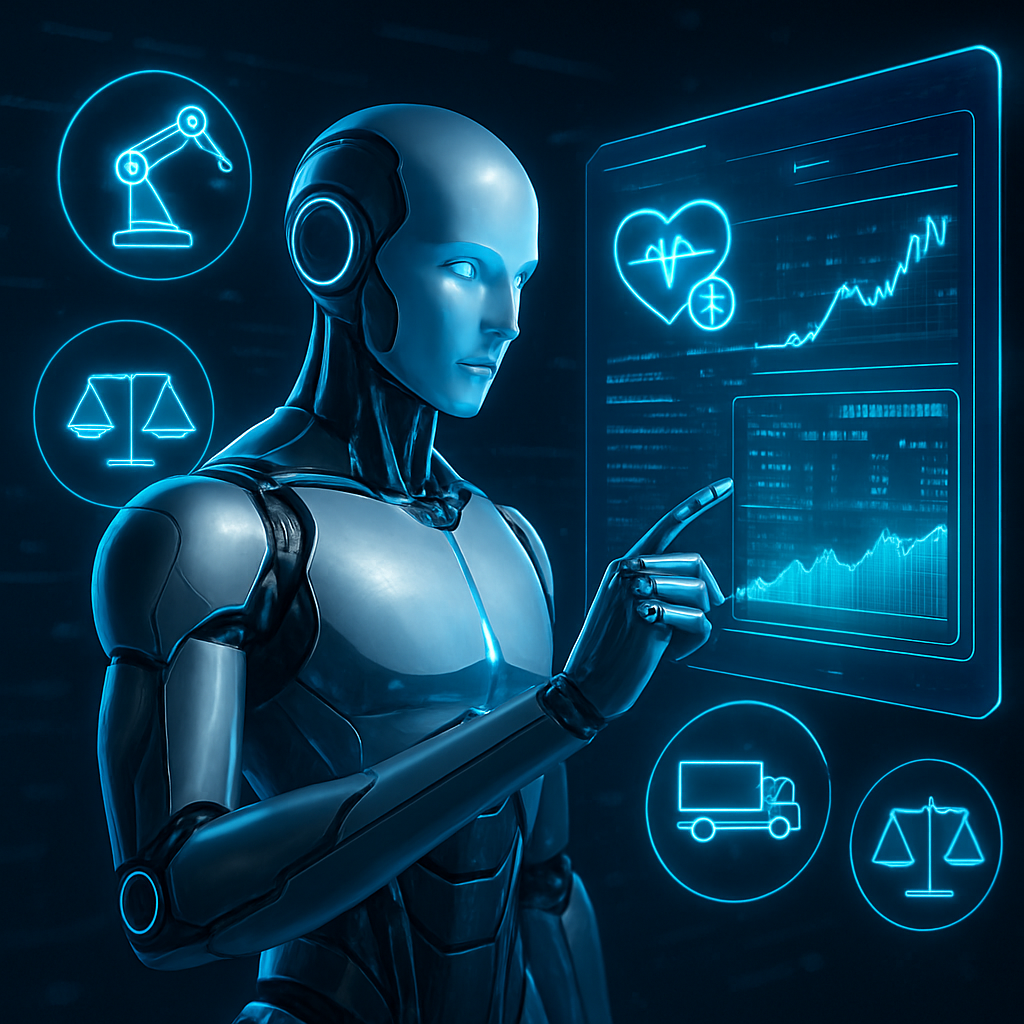
Real-world uses of AI agents
- Healthcare: Imagine a virtual assistant that constantly tracks a patient’s vital signs, warns doctors about potential risks, and even suggests treatment options—all in real time.
- Business: Companies are already experimenting with AI agents that manage projects, send reminders, create reports, and even optimize workflows.
- Finance: Trading agents can study market data, spot opportunities, and execute trades automatically.
- Smart Homes: An AI-powered home system that doesn’t just switch on lights when you ask, but learns your habits and adjusts everything—from temperature to security—without needing a command.
Why this matters for the future
The shift toward agentic AI is a big deal. It means technology is moving closer to acting like a partner rather than just a tool. For businesses, it promises higher efficiency and less micromanagement. For individuals, it means a more personalized, seamless interaction with technology. Experts even say that this autonomy could be the start of a new productivity era, similar to how automation once changed manufacturing.
The challenges we can’t ignore
Of course, there are also risks. If an AI agent makes a wrong decision, who takes the blame? Can these systems truly stay unbiased and safe? Governments and researchers are still debating how to regulate such powerful tools. There’s also the danger of becoming too dependent on machines, losing the critical skills we still need as humans.
Final thoughts
The emergence of AI agents is not just another tech trend—it’s a step toward a future where machines can work alongside us with real independence. Whether it’s in healthcare, finance, business, or daily life, agentic AI is shaping up to be one of the most transformative forces of this decade.
For anyone interested in the future of AI, keeping an eye on how these agents evolve is essential—not just for innovation, but for understanding how our relationship with technology is changing day by day.
AI agents are autonomous systems that observe their environment, make decisions, adapt dynamically, and act to achieve specific goals—all with minimal or no constant human control. These intelligent entities are fundamentally transforming industries, from household robots and smart homes to precision healthcare, supply chain optimization, retail personalization, and beyond, by learning from data and adapting their behavior to complex, real-world situations. However, their widespread adoption brings to the forefront crucial questions about ethics, trust, data privacy, and the importance of human oversight in an age of increasing machine autonomy.
What Are AI Agents?
AI agents are digital or robotic systems designed to take action autonomously on behalf of users or organizations. Their defining characteristics include:
- Autonomy: They act independently, deciding what to do next without being micromanaged.
- Goal-Oriented Intelligence: These agents pursue designated objectives and continuously evaluate their strategies using utility functions or performance metrics to maximize desired outcomes.
- Perception and Reasoning: AI agents use sensors or APIs to perceive their environment, gather data, and apply reasoning or machine learning to make informed decisions.
- Adaptability: Advanced AI systems adapt to new information and changing environments, often using reinforcement learning or continuous improvement from feedback.
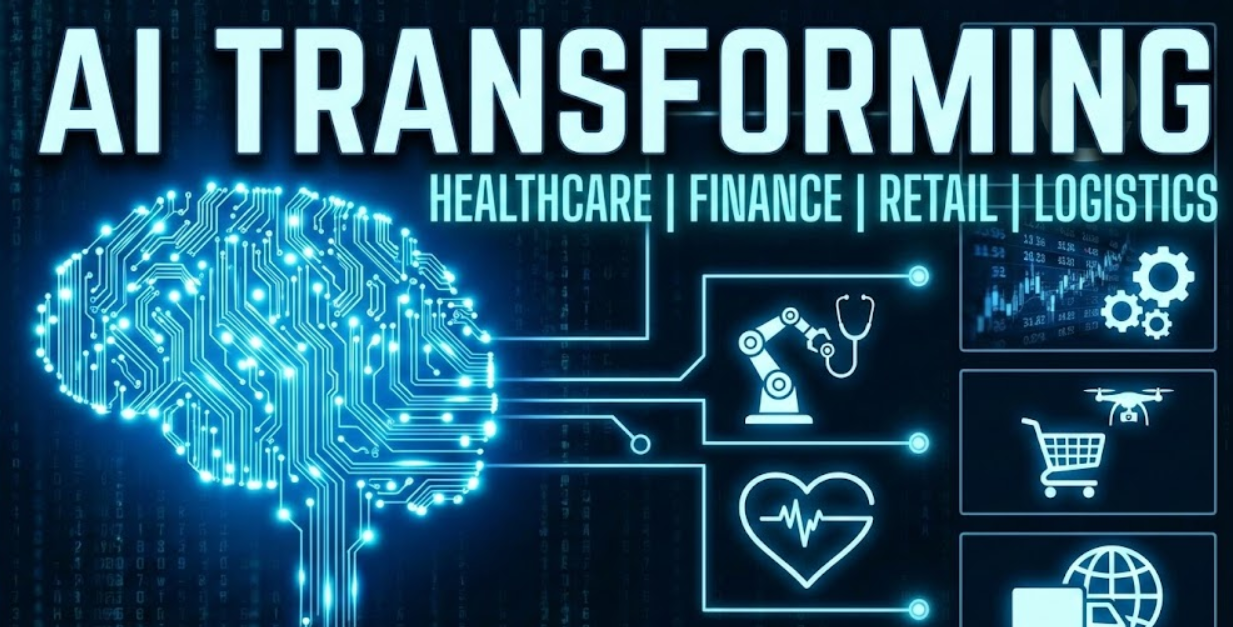
Transformational Impact Across Industries
AI agents are catalyzing next-generation efficiencies and innovation in every sector:
- Manufacturing and Logistics: Agents monitor equipment, forecast maintenance, optimize routes, and manage warehouses with learning-driven self-optimization.
- Healthcare: They analyze patient data to offer personalized diagnostics, flag risks, and streamline workflows, thus enhancing care quality and safety.
- Agriculture: AI-powered drones and software guide hyper-targeted interventions, increasing crop yields while reducing waste and environmental impact.
- Retail and E-commerce: Agents curate customized customer experiences, optimize pricing, and manage supply chains based on real-time demand patterns.
- Home Automation: Household AI agents manage cleaning, maintenance, and environmental controls, learning user preferences for seamless living.
The Ethics of Autonomous AI Agents
The rise of agentic AI also raises pressing ethical and societal concerns:
- Bias and Fairness: Ensuring agents do not perpetuate discrimination through biased data or algorithms is crucial for equity in sectors like healthcare or finance.
- Privacy and Data Protection: Autonomous agents often process vast amounts of personal or sensitive data, increasing risks around privacy breaches and unauthorized surveillance.
- Transparency and Accountability: As machine-driven decisions grow complex, the need for clear explanations, human-understandable rationale, and accountability systems intensifies.
- Oversight and Human Control: Effective oversight mechanisms are needed to prevent AI agents from making unchecked or harmful decisions, especially in high-stakes environments such as transportation or critical infrastructure.
The Future: Balancing Innovation and Responsibility
AI agents offer remarkable benefits in terms of automation, adaptability, and optimization, but organizations must weigh these against ethical imperatives for trustworthy, fair, and transparent AI systems. The move towards more autonomous agents is shaping not just the future of work and industry but also compelling a reassessment of social, legal, and ethical frameworks that govern technology deployment.
Incorporating these considerations, the full potential of AI agents can be realized—delivering transformative advantages across industries while safeguarding human values, privacy, and trust.




Post Comment